3035 Washington Rd Suite 3, McMurray, PA 15317
Caring for Your Dentures: Essential Tips for Long-Term Use


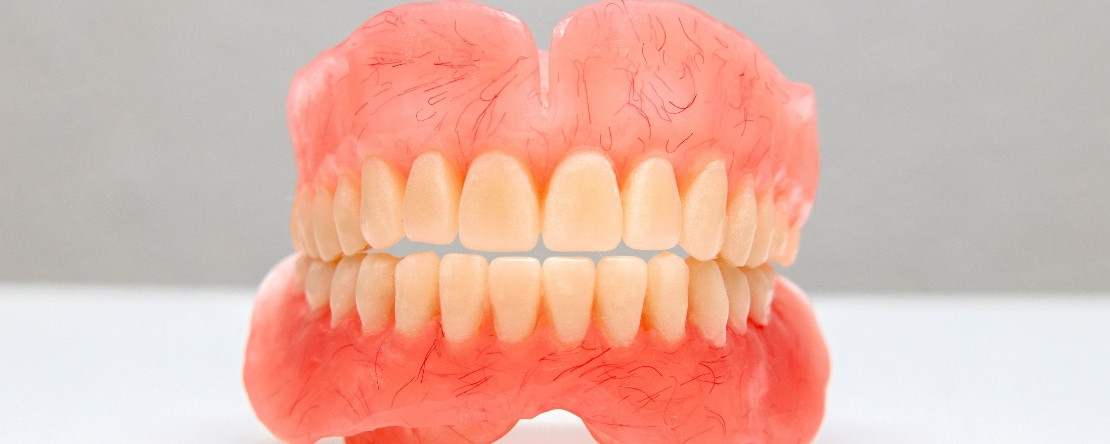
When you get dentures, it’s not just about the initial adjustment; proper care is key to ensuring their longevity and functionality. Like any other dental appliance, dentures need regular maintenance to stay in optimal condition. Here are some essential tips to care for your dentures to keep them comfortable, clean, and effective for years to come.
Taking care of dentures might seem overwhelming at first, but with the right routine, it becomes a simple part of your daily schedule. By following a few key guidelines, you can preserve their appearance and function, preventing potential discomfort or damage.
Cleaning Your Dentures Regularly
One of the most important tips to care for your dentures is to clean them daily. Plaque and food particles can accumulate on dentures just like natural teeth. Cleaning them thoroughly helps prevent bad breath, stains, and infections.
Here’s how you can clean your dentures effectively:
- Rinse after meals: After eating, remove your dentures and rinse them under lukewarm water to get rid of food debris.
- Brush daily: Use a soft-bristled toothbrush and a non-abrasive denture cleaner to brush your dentures. Avoid using regular toothpaste as it may scratch the surface.
- Soak overnight: Place your dentures in water or a denture solution overnight to keep them from drying out and losing their shape.
It’s essential to keep your dentures clean and free from bacteria, which can cause unpleasant odors and oral health issues.
Handle with Care
Dentures are delicate, and improper handling can cause them to break or lose their shape. Being cautious when cleaning or inserting them is another vital tip to care for your dentures.
- Remove gently: When taking your dentures out, handle them carefully to avoid any pressure or sudden movements that could cause them to crack.
- Use a soft towel: Place a soft towel in the sink when cleaning your dentures to avoid accidental drops.
- Avoid bending clasps: If you have partial dentures, be careful not to bend the metal clasps, as this can distort their fit.
Treating your dentures with care ensures that they stay intact and continue to fit comfortably.
Keep Your Dentures Moist
Another critical step in denture care is ensuring they don’t dry out. Dentures can warp or lose shape if they become dry, leading to discomfort or a poor fit.
- Soak when not in use: Always soak your dentures in water or a denture-soaking solution when you’re not wearing them. This keeps them moist and helps maintain their shape.
- Avoid hot water: Never soak your dentures in hot water, as this can cause them to distort.
By following these tips, you’ll help prevent damage and keep your dentures functioning properly.
Maintain a Healthy Mouth
Taking care of your dentures is also closely tied to maintaining your overall oral health. Healthy gums and tissues are essential for a proper fit and comfort. Here are a few ways to take care of your mouth:
- Brush your gums and tongue: Before putting your dentures back in, brush your gums, tongue, and the roof of your mouth to remove plaque buildup and stimulate circulation.
- Visit your dentist regularly: Regular dental check-ups are essential, even if you wear dentures. Your dentist can check the fit, cleanliness, and overall health of your mouth.
Maintaining a healthy mouth can reduce the risk of irritation, infection, and other oral health issues that could affect your dentures.
Adjusting to New Dentures
When you first start wearing dentures, there will be a period of adjustment. This can be challenging, but with time, you’ll get used to them. Here are some tips to ease the transition:
- Take your time: Start by wearing your dentures for a few hours each day and gradually increase the duration.
- Practice speaking: It may feel awkward at first, but reading aloud or practicing words can help you adjust to speaking with your dentures.
- Eat soft foods initially: When you first get dentures, stick to softer foods that are easier to chew as your mouth gets used to the new appliance.
Being patient and giving yourself time to adapt is an important part of the process.
Regularly Check the Fit
Over time, your dentures may become loose or shift due to changes in your gums and bone structure. It’s essential to regularly check their fit to avoid discomfort and ensure they’re still providing the support you need.
- Watch for signs of discomfort: If your dentures start to feel loose or cause soreness, it may be time for an adjustment.
- Consult your dentist: Your dentist can realign or refit your dentures to maintain comfort and function.
Routine checks help prevent long-term problems and ensure your dentures remain effective.
Avoid Harmful Foods and Habits
Certain foods and habits can be damaging to your dentures. While it’s important to enjoy a variety of foods, some can affect the durability and function of your dentures.
- Limit sticky foods: Chewy or sticky foods, like caramel or gum, can cause damage or get stuck.
- Avoid hard foods: If you’re not careful, hard foods like nuts or hard candies can crack or chip your dentures.
- Quit smoking: Smoking can stain dentures and negatively impact the health of your gums and mouth.
By following these tips to care for your dentures, you can ensure they remain in excellent condition, providing comfort and functionality for years. Daily cleaning, proper handling, maintaining moisture, and regular check-ups are all crucial steps in keeping your dentures in great shape. Taking care of your dentures will not only improve their longevity but also enhance your oral health and overall well-being.