3035 Washington Rd Suite 3, McMurray, PA 15317
What to Eat After Your Dental Implant Surgery: A Guide to Recovery


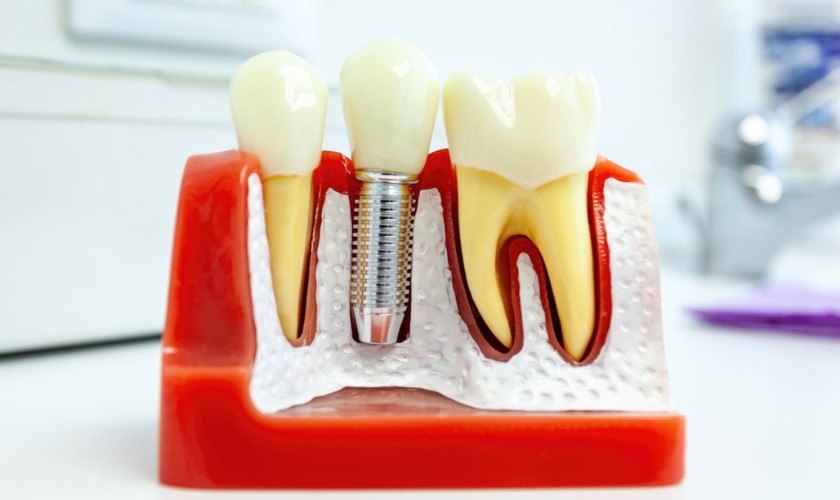
Nutrition is essential to recovery after dental implant surgery. Patients underestimate food. However, meals play a direct role in the healing rate and the success of the implant. Inadequate diet speeds discomfort, infection, and retards healing.
Ironically, favorite fare like crunchy snacks or hot foods can retard healing. Proper meals not only soothe discomfort but also create tissue and bone. This manual finds safe foods, recovery-friendly habits, and useful tips to ensure faster healing after implant surgery.
Why Diet Matters After Implant Surgery
Nourishing nutrition fuels the body’s own healing after dental implant surgery. Healing tissues require protein, vitamins, and minerals to heal rapidly. Poor choices can fall behind and lead to agonizing complications.
Texture is also a factor. Harsh or crunchy foods may stress the operated area and interfere with clotting. Nutritious meals reduce infection risk, equalize energy, and support healthy gums.
Patients who follow dentist guidelines recover faster, feel more comfortable, and safeguard new dental implants in McMurray. Sensible eating habits form the foundation for long-term success following implant surgery.
The First 24–48 Hours: Soft & Cooling Foods
Special attention to food is needed during the early days after dental implants. Cooling, soft foods help minimize swelling and prevent irritation. Yogurt, applesauce, smoothies, mashed potatoes, and broths help reduce discomfort. Hot, spicy, and crunchy foods may cause bleeding or delayed clotting.
Fluid is still necessary. However, straws are to be avoided due to clot displacement. Drinking lukewarm water throughout the day keeps tissue moist and enhances quicker healing. Attention to comfort and predictability makes this sensitive time following dental implant surgery less challenging.
The First Week: Gentle, Nutrient-Rich Choices
After initial healing, soft foods continue to heal following dental implant surgery. Scrambled eggs, oatmeal, soft fish, and steamed vegetables supply the required nutrition. Protein strengthens tissue, and vitamins allow repair of gums and bone strength. Minerals like calcium and iron allow successful implant fusing to bone.
Seeds, nuts, and sticky candies should be avoided by patients since they cause irritation to sensitive tissues. A well-balanced diet enhances healing and reduces infection or discomfort risks. Cautious eating allows for faster adaptation and long-term balance after implant surgery.
Returning to a Regular Diet
Healing progresses gradually after the surgery. When swelling dissolves and comfort increases, harder foods can be resumed. Chew gently and always on the reverse side of the surgery. Soft meats, cooked grains, and soft fruits help transition. Pain or swelling signals slowing down and adjusting.
Patients must visit their dentist for personalized diet schedules. Guided reintroduction prevents setbacks and preserves surgical outcomes. Gradual progression ensures stable recovery and regained confidence after implant surgery.
Foods & Habits to Avoid
Some decisions harm healing after implant surgery. Tough foods like chips, raw carrots, or nuts stress healing gums. Sticky or chewy foods like caramel and gum tug on the surgical site.
Smoking and drinking alcohol halt circulation, erode bone quality, and raise risks of implant failure. Limiting irritants while recovering preserves comfort and stability. Avoiding these risks minimizes complications and ensures firmer results after dental implant surgery.
Practical Tips for Comfort Eating
Practical dietary habits simplify life after getting dental implants in McMurray. Chew slowly on the opposite side and use smaller bites. Consume balanced meals with proteins, grains, fruits, and vegetables to supply energy for healing.
Drink plenty of water, but not carbonated or sugary drinks that irritate healing gums. Preplan meals to reduce stress during the recovery process. Clever eating helps preserve energy level, reduces discomfort, and assures long-term implant success after implant surgery.
Recovery from dental implant surgery requires patience, carefulness, and sound food choices. Recovery is temporary, but results last for many years. Diet influences comfort, bone stability, and the success of implants.
The most desirable outcomes result from adherence to the dentist’s advice. Eating properly entails less discomfort, fewer complications, and faster healing. To inquire about recovery from dental implants, contact our office today.