3035 Washington Rd Suite 3, McMurray, PA 15317
Can Smokers Get Dental Implants? Challenges and Solutions


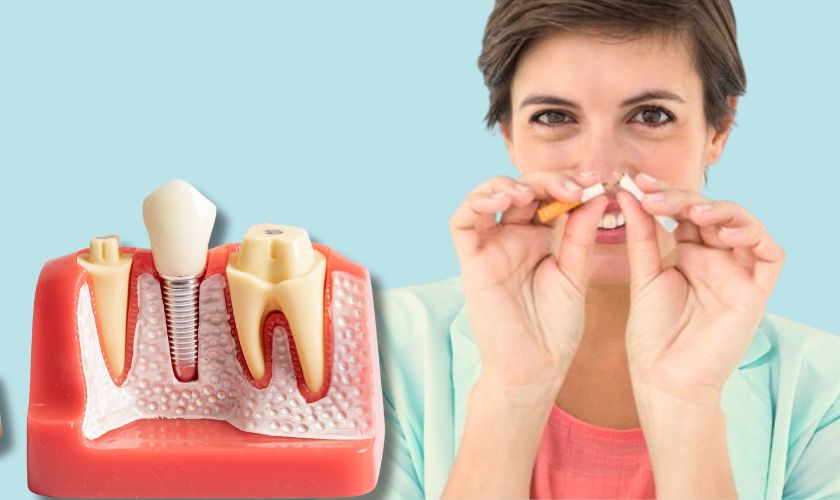
Dental implants have become a top choice when it comes to tooth replacement. However, smokers may be wondering whether implant treatment is right for them.
Well, the answer is “yes”. Smokers can get dental implants. However, it is to be stated that smoking can impose negative impact on the success of this treatment. According to research, smoking has the ability to scale up the implant failure rate. A professional dentist will assess your overall health and discuss any prospective risks prior to placing your implant.
How Does Smoking Affect Dental Implants?
Smoking and dental implants are not a great combination. The below points will explain what will happen if smokers receive implants.
It Can Increase the Risk of Implant Failure
Smoking immensely increases the risk of implant failure. Cigarettes are made of nicotine and other chemicals. These can weaken the bone and also make it more difficult for the implant to fuse with the bone.
In addition, smoking can escalate the risk of developing an infection. This can also cause implant failure if you do not treat it as soon as possible.
It Can Slower Recovery
Smoking is capable of restricting the blood flow to the jawbone and gums. As a result, it flowers the recovery period after an implant procedure. This extends the time of recovery and makes it more difficult for the implant to fuse properly with the jawbone. It can also scale up the risk of infection, implant failure, and other dental health complications.
It Can Escalate the Risk of Infection
You will be at higher risk of infection when you smoke. Chemicals like nicotine found in cigarettes can weaken the immune system. Your body won’t be able to fight off infections. This can cause implant failure, or you may need extra invasive surgeries.
It Can Increase the Risk of Peri-Implantitis
Peri-implantitis is a health condition that occurs when the tissue around the implant becomes inflamed and infected. When you smoke, it can escalate the risk of peri-implantitis and result in implant failure. This may indicate the need for additional surgeries.
Moreover, smokers tend to develop periodontal disease. This can further compromise the success of dental implants McMurray.
Solution of Smoking Effects on Dental Implants
Smoking comes with a detrimental effect on the success of implant placement. However, if you cannot quit smoking entirely, you can consider taking some steps to manage this habit before and after the implant treatment.
You can reduce the potential risks and scale up the chances of successful implant results when you implement these strategies.
Smoking Cessation
Dentists highly recommend quitting smoking for smokers considering implants. Smoking cessation has several benefits, including reduced risks of complications, improved healing, and improved long-run implant success. In addition, there are resources and support available to help you quit smoking and improve your dental health.
Temporary Smoking Reduction
When you reduce smoking to and after the implant surgery, it can be advantageous if you cannot quit smoking completely. You can learn about strategies that can help minimize smoking during this critical healing period.
Smokers can get successful implant outcomes by addressing particular considerations and following a comprehensive plan of treatment. You can consult our qualified dental professionals. We can guide you through the process and offer customized care.