3035 Washington Rd Suite 3, McMurray, PA 15317
What to Expect After Getting Dental Implants McMurray?: Recovery Tips and Timeline


Dental implants are a popular solution for replacing missing teeth. They provide a permanent, natural-looking alternative to dentures or bridges. However, understanding the recovery process is crucial for a successful outcome. Knowing what to expect after the procedure can help you plan and manage your healing process effectively.
This guide will walk you through the recovery journey following dental implants. You’ll learn essential tips for managing discomfort, following the recovery timeline, and ensuring a smooth healing process. Whether planning your dental implant procedure or recovering, this article will help you prepare for every step.
The Dental Implant Procedure Overview
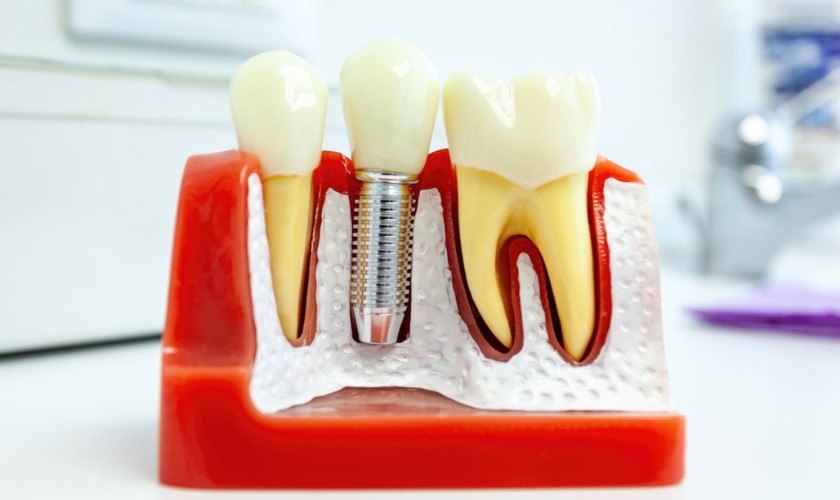
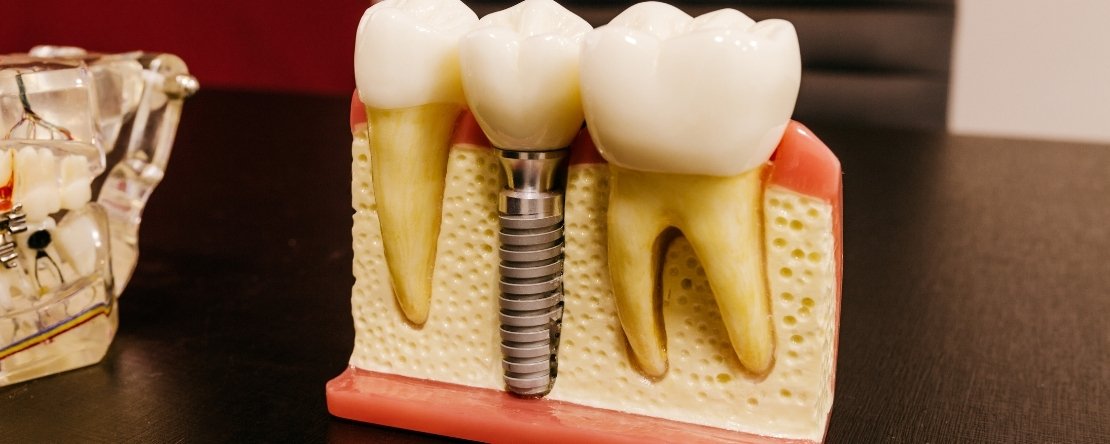
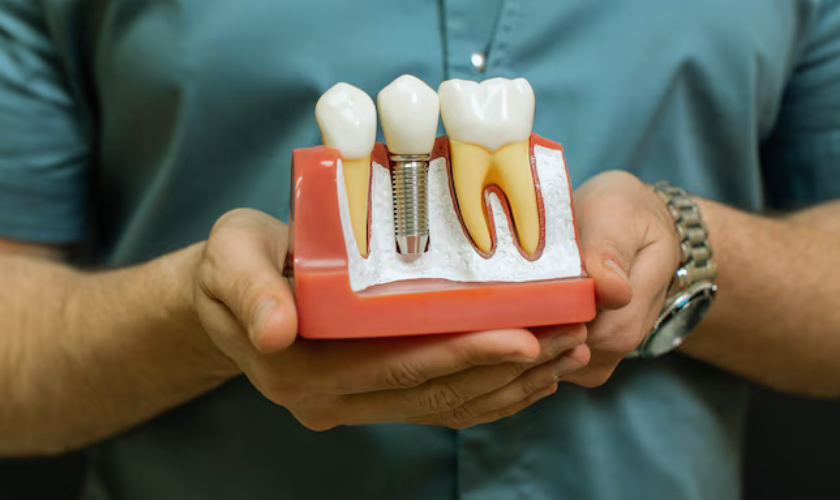
Dental implants are artificial tooth roots placed into the jawbone to support replacement teeth. The procedure involves inserting a titanium post into the jaw where the missing tooth once was. Over time, the bone fuses with the implant in osseointegration. Once this healing occurs, a crown, bridge, or denture is attached to the implant.
The typical steps in the procedure include an initial consultation, implant placement, healing time, and final restoration. The recovery process can take several months and involve multiple follow-up visits.
An adept implant dentist in McMurray is essential to ensure a successful procedure. A proficient dentist will provide proper aftercare instructions and monitor your healing progress. This will reduce the risk of complications and ensure the best possible results.
Immediate Post-Procedure Care
After your dental implant surgery, it’s normal to experience some discomfort and swelling. The anesthesia used during the procedure will wear off in a few hours, and you may feel soreness around the implant site. Swelling and minor bleeding are common but should subside within a day or two. It’s essential to follow your dentist’s post-op care instructions closely.
Add ice packs to the affected area for the first 24 hours to manage discomfort. This will help reduce swelling and numb the area. Over-the-counter pain relievers such as ibuprofen can also help alleviate any discomfort.
Sticking to a soft diet for the first few days to avoid disturbing the implant site. Avoid chewing near the implant to ensure proper healing. Additionally, keep your head elevated while resting to minimize swelling.
Following these tips during the first 24-48 hours will promote a faster and smoother recovery. Keep the surgical area clean by gently rinsing with salt water or using a prescribed mouthwash. You may also be advised to avoid smoking or consuming alcohol, as these habits can delay the healing process.
The Recovery Timeline – What to Expect Each Week?
Week 1: During the first week after your dental implant surgery, mild pain, swelling, and possible bruising are normal. Don’t be alarmed if you notice some discomfort around the implant site. The swelling will be the most noticeable in the first 48 hours. It’s essential to follow the recommended soft food diet during this time.
Avoid hard or chewy foods, as they may disturb the healing site. Additionally, take plenty of rest and avoid strenuous activities.
Week 2-3: The swelling and pain should begin to subside by weeks two to three. You’ll likely have a follow-up visit to check on the healing progress. It’s important to maintain good oral hygiene without disturbing the implant site.
Gently brush your teeth, avoiding the surgical area. Keep using soft foods; if your dentist approves, you can begin introducing some firmer foods into your diet.
Week 4-6: Most swelling and bruising should disappear during weeks four to six. At this point, you should start to notice the early stages of healing. The implant will begin to fuse with the bone. Continue with your soft food diet, but feel free to reintroduce more variety gradually.
However, avoid hard or sticky foods until your dentist gives you the green light to resume your normal eating habits.
Week 6-12: The healing process continues as the implant integrates with your jawbone. This is a critical phase called osseointegration. Minor discomfort may occur as the implant continues to bond with the bone.
During this phase, your dentist will likely schedule another check-up to monitor progress. You may also be asked to take soft foods longer to avoid disrupting healing.
3-6 Months: The osseointegration process should be complete in three to six months. The healing is nearly finished, though it may take longer for some individuals. During this period, your dentist will place the abutment, which connects the implant to the final crown.
Once this step is completed, the final crown will be attached, completing the dental implant procedure.
Long-Term Recovery and Aftercare Tips
Once your dental implant has fully integrated with your bone, it’s important to maintain proper oral care. Regular check-ups with your dentist will ensure that the implant is functioning well and that the surrounding gum tissue is healthy.
Gently brush your teeth with a soft toothbrush, and use an antiseptic mouthwash to help prevent infection. Floss daily, but avoid disturbing the implant site during the healing process.
Avoid habits that could interfere with healing, such as smoking or drinking alcohol in excess. These habits can slow down recovery and increase the risk of implant failure.
A balanced diet rich in vitamins and minerals is also essential for proper healing and long-term success. Regular visits to your dentist for maintenance and monitoring are key to ensuring your dental implants McMurray last for many years.
Red Flags – When to Contact Your Dentist?
While most patients experience a smooth recovery, some signs require prompt attention. It may indicate an infection if you experience increased pain, swelling, or discharge from the implant site. An implant that feels loose or shifts could be a sign of failure. Persistent bleeding beyond the first few days is also a cause for concern.
Early intervention is crucial to avoid complications and ensure the success of your dental implants. If you notice any of these issues, contact your McMurray dentist immediately. They will assess your condition and recommend the appropriate treatment to address any problems.
Lifestyle Adjustments During Recovery
You may need to make some temporary lifestyle adjustments during your dental implant recovery. Eating soft foods is essential during the early recovery, as it prevents strain on the implant site. You should also avoid smoking, as it can slow down the healing process and increase the risk of complications .
You may need to adjust your daily routine and avoid strenuous activities like heavy lifting or intense exercise for several weeks. It’s generally safe to return to work after the first few days, but physical activities should be avoided longer. For McMurray residents, be mindful of the weather during winter months, as cold temperatures can cause discomfort or affect healing.
Dental implants are a long-lasting and effective solution for replacing missing teeth. By following proper care instructions, patients in McMurray can expect a smooth recovery.
Understanding the recovery timeline and aftercare tips will help you manage the healing process. Follow our dentists’ advice and attend all follow-up appointments for optimal results. Your dental implants will serve you for many years with patience and proper care.