3035 Washington Rd Suite 3, McMurray, PA 15317
Can Invisalign Fix Bite Issues? Exploring Treatment Options



Did you know that nearly 70% of adults have some form of bite issue? Bite problems can lead to discomfort, self-consciousness, and even dental complications. This blog will explore the effectiveness of Invisalign in treating these issues. You will discover how this modern orthodontic option can help correct various bite problems.
Addressing bite issues is crucial for dental health and overall well-being. Proper alignment enhances appearance and improves speech and chewing. Ignoring bite issues can lead to chronic pain, tooth wear, and jaw problems.
Understanding Bite Issues
Bite issues refer to misalignments in how your teeth fit together. Common types include overbite, underbite, crossbite, and open bite. An overbite occurs when the upper teeth significantly overlap the lower teeth. An underbite happens when the lower teeth protrude beyond the upper teeth. A crossbite involves some teeth misaligning, causing uneven wear. An open bite creates a gap between the upper and lower teeth when the mouth is closed.
These bite issues can have serious consequences. They can affect oral health by making it difficult to clean teeth properly. Misaligned teeth can lead to gum disease, tooth decay, and jaw pain.
Furthermore, bite problems can hinder speech, making certain sounds difficult to pronounce. Chewing can become uncomfortable, resulting in a limited diet. Lastly, these issues can affect your appearance, leading to reduced self-esteem.
What is Invisalign?
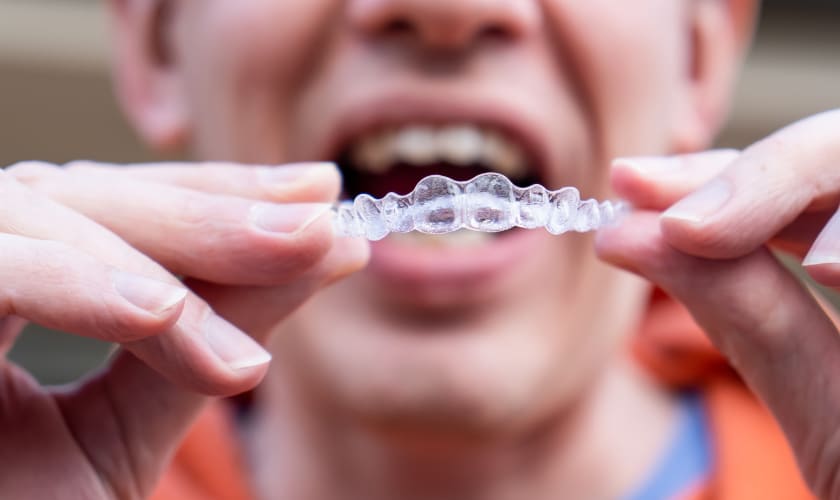
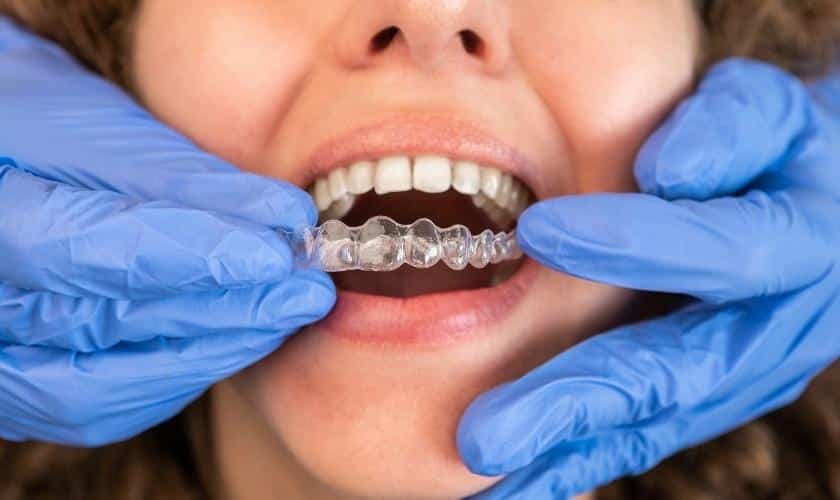
Invisalign is a modern orthodontic treatment that uses clear, removable aligners to straighten teeth. These aligners gradually shift your teeth into the desired position over time. Unlike traditional braces, which use metal brackets and wires, Invisalign aligners are virtually invisible. This feature makes them a popular choice for adults and teens seeking a discreet option for teeth straightening.
Invisalign works by applying gentle pressure to your teeth. Each set of aligners is custom-made for your mouth. You wear each set for about two weeks before moving on to the next one in the series. This system allows for gradual movement and alignment of teeth without the discomfort of metal braces.
Invisalign differs from traditional braces in several ways. While braces can cause discomfort due to the metal brackets, Invisalign aligners are smooth and comfortable. They can be removed for eating and cleaning, which helps maintain oral hygiene. This convenience allows for a more enjoyable treatment experience compared to traditional options.
Can Invisalign Correct Bite Issues?
Invisalign can effectively address many common bite issues. One of its strengths lies in treating overbites. Using custom aligners, Invisalign can gently push the upper teeth back and pull the lower teeth forward. This gradual adjustment can lead to a more balanced bite over time.
For underbites, Invisalign can also be beneficial. The aligners can shift the lower teeth into a more optimal position, improving alignment. The treatment may involve a combination of aligners to ensure comprehensive results. Crossbites are another type of bite issue that can be corrected with Invisalign. The aligners work to shift the teeth into proper alignment, creating a more even bite.
An open bite can also see improvement with Invisalign treatment. The aligners apply pressure to close gaps, allowing the teeth to meet properly when the mouth is closed. By addressing these issues, Invisalign can help alleviate discomfort and prevent future dental problems.
Another advantage of Invisalign’s digital treatment planning is that before starting treatment, you can view a 3D model of your teeth and see how they will move throughout the process. This technology helps set realistic expectations for patients. Regular check-ups with your orthodontist ensure that treatment is progressing as planned.
However, not all bite issues may be suitable for Invisalign treatment. Complex cases may require additional procedures, such as extractions or jaw surgery. It is essential to consult an orthodontist for a thorough evaluation. Your orthodontist will assess the severity of your bite issue and determine the best treatment plan for you.
Ultimately, the success of Invisalign in fixing bite issues depends on patient compliance. You must wear the aligners for 20-22 hours daily to achieve optimal results. By following the treatment plan and attending regular check-ups, patients can expect to see significant improvements.
Consultation with an Orthodontist
A consultation with an orthodontist is vital to address bite issues effectively. Only a professional can evaluate the severity of your case and recommend suitable treatment options. During the consultation, the orthodontist will conduct a thorough assessment of your teeth and bite.
They may take X-rays or digital images to better understand your mouth. After gathering this information, the orthodontist will discuss the best treatment options, including Invisalign. They will also explain the steps involved in the treatment plan and set expectations for your journey to a healthier smile.
In summary, Invisalign can effectively treat various bite issues, including overbites, underbites, crossbites, and open bites. It offers a discreet and comfortable alternative to traditional braces.
However, it is crucial to consult with our orthodontists for a professional evaluation. Our orthodontists can tailor a treatment plan based on your specific needs.
If you have bite issues, consider scheduling a consultation with us today. Explore how Invisalign can transform your smile and improve your dental health.